
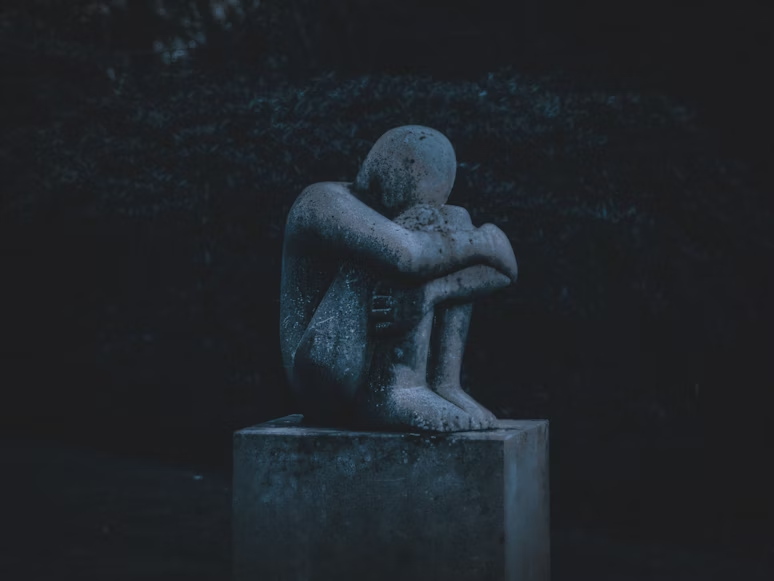
The Questioner
There was a house outside the city. Ten miles away. It belonged to a friend who had left for the US and entrusted it to me. I had the keys. On weekends, I paid a maid to clean it and open the windows, letting the air inside breathe again.
That’s where I took her.
That’s where she would stay.
A quiet place. Far from the restless chatter and fumes of town. A place where she could be at ease. Walk barefoot in the garden. Sing with the birds. Let her mind soften, like dew on morning grass.
She wasn’t completely gone — not yet. But she was frayed. Her two boys barely saw her, and when they did, what they witnessed no child should ever witness. They had no phones; to them she hardly existed. Her in-laws whispered she was possessed, teetering on madness. They said her husband was cursed to have married her — that he was justified in everything he had done.
The younger cousins in the family made her misery spectacle. They spoke about her online. Laughed. Claimed a jinn named Qasim had taken her as his wife.
I took her phone away.
“You have everything you need here,” I told her.
“And no one will come looking for you.”
She poured her fears out like water, spilling everything. The weight of responsibility. The guilt of not being there for her children. The shame of returning again and again to a man who crushed her spirit. Her mother had abandoned her. Her brother gave up trying. She felt claimed by no one. Undesired. Unheld. Punished by life and by love.
“Sometimes,” she whispered, wiping tears with shaking fingers, “I wish I was never born.”
“This man,” I said quietly, “might kill you.”
She didn’t flinch.
“I want to give him that satisfaction,” she said, her voice cracking.
“No,” I told her. “You must win. No one has the right to break you. Not him, not them, not the noise in your own head. You are in pain now — and pain lies. But you rise from this. Slowly. Inch by inch. When you have fallen this far, there is no lower to go. Only up.”
She stared at me, eyes swollen, searching for something resembling hope.
“What do I do now?” she asked.
“Silence,” I said. “Heal here.”
The house was safe. Surrounded by trees. Meadows heavy with green. Clean air. An old radio but no TV. Shelves of books. A balcony made for sunsets and quiet coffee. Enough coins to buy food from the little stalls down the road. A couch or bed — anywhere she wished to rest. She could listen to the wind, watch the birds, let stillness mend her.
That was what I imagined for her when I drove back to Nairobi.
I knew nothing.
Two Subarus waited by my gate. Engines idling like wolves in ambush. Two men stepped out. They called themselves detectives but showed no IDs. Before I could even breathe a question, metal locked around my wrists. A blow. My diaphragm collapsed. Breath fled me. Another blow to my neck. The world slipped, then faded into obscurity.
They lifted me like a sack, threw me into the car’s boot.
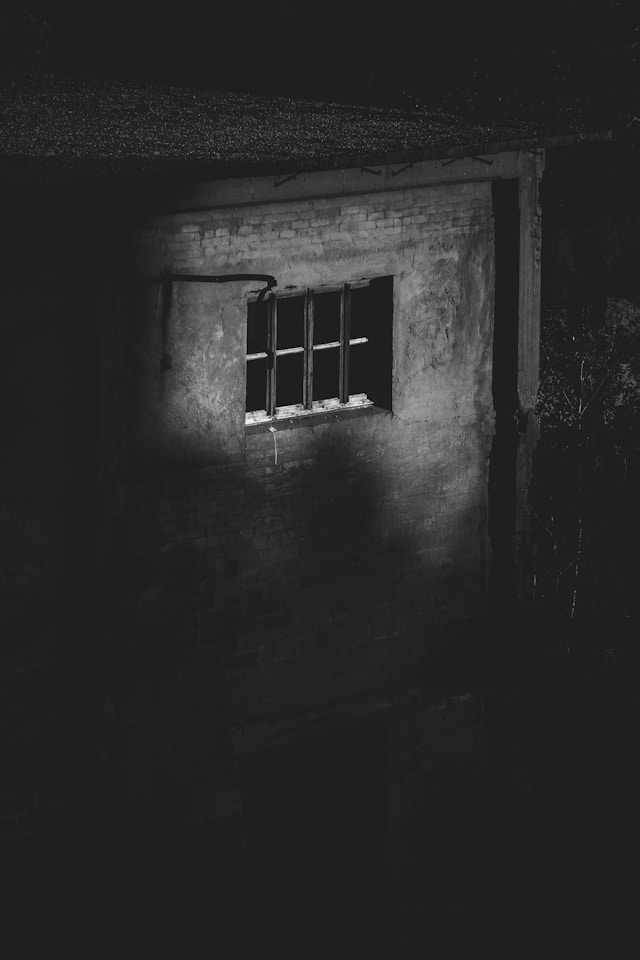
I woke in a dark, wet room. Concrete. Cold. My hands tied behind a chair. My mouth taped. The smell of damp rot. Breathing suddenly the hardest thing in the world.
The door opened. Harsh light knifed through the dark. A big man stepped in — bald head, heavy mustache, shoulders like a wall. He dragged a stool, sat near me.
“Let me be kind,” he said softly. Kind voices are the most dangerous.
He leaned close, breath grazing my ear.
“Idhil,” he murmured. “Where is she?”
I tried to speak through the tape. He ripped it off. Pain tore across my upper lip; I tasted blood and hair.
“I don’t know!” I gasped.
“Wrong answer,” he whispered.
“C,” he called. “Bring Lucy.”
I held my breath. Then my heart sank. Lucy was anything but Lucy. She was an electrocuting machine.
“Wait!” I shouted. “Wait—!”
Leave a Reply